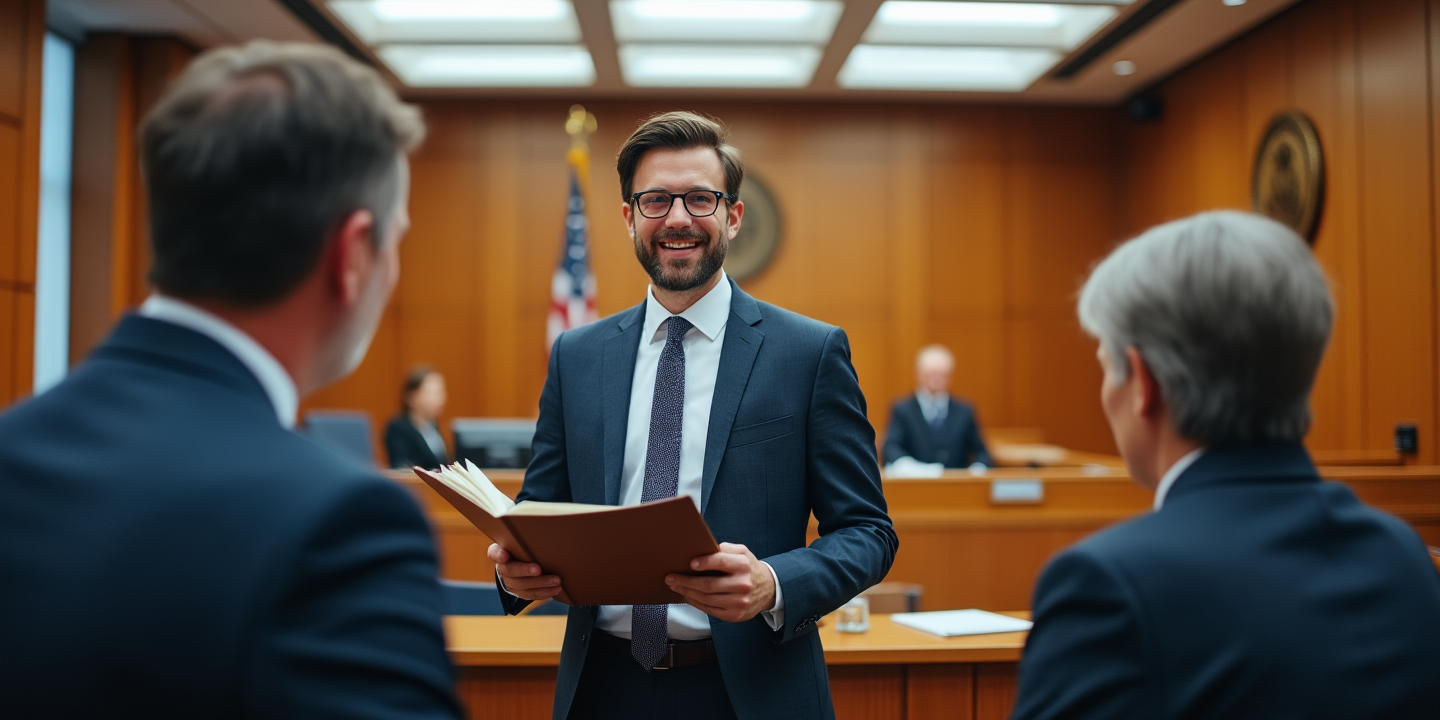
“Can someone really cover a 9:30 compliance conference in Kings County if I call at 8:15?” That question arrives at litigation desks across Manhattan almost every week, usually from a partner stuck on a conflicting matter. The answer is yes. A New York City per diem lawyer can be retained, briefed, and standing at 360 Adams Street before the clerk finishes the first calendar call, because the matching process now runs in real time rather than through a chain of favors and voicemails. What follows are the assumptions that still cost firms money, examined one at a time.
Myth 1: Coverage Requires Several Days of Advance Notice
This belief is a holdover from an older workflow. For years, securing coverage meant a paralegal working the phone, calling three contacts from a law school class, then two former colleagues, then a staffing agency that promised to call back. If the hearing fell inside a 24 to 48 hour window, the realistic options narrowed to requesting an adjournment or sending someone who had no business leaving their own deadlines.
That constraint no longer applies. On AppearMe, attorneys in dense metropolitan markets frequently receive a confirmed match within one minute of posting a request. Firms routinely book coverage five to ten minutes before a scheduled appearance. The platform broadcasts the assignment simultaneously to a nationwide network of licensed practitioners rather than contacting them sequentially, which is the entire reason the timeline collapsed from hours to moments.
What Covering Counsel Actually Needs From You
Speed on the supply side does not excuse a thin handoff. Transmit the following before the appearance, even when the call is urgent:
-
The index number, part, judge, and courthouse address, since 111 Centre Street and 60 Centre Street are different buildings with different security lines.
-
A one-paragraph posture summary: what was last ordered, what remains outstanding, and what the adversary wants.
-
Explicit instructions on adjournment consent, discovery stipulations, and settlement authority, including the dollar ceiling if any exists.
-
A direct mobile number for a decision-maker who will answer while the matter is on the record.
Firms that keep a standing template for these four items cut their briefing time to roughly three minutes. That is the difference between treating per diem coverage as an emergency measure and treating it as ordinary calendar management.
Myth 2: Per Diem Coverage Costs More Than Sending Your Own Associate
This calculation usually ignores travel. A conference in the Bronx at 851 Grand Concourse consumes a Midtown associate’s entire morning once the subway ride, the security screening, and the wait for the part to be called are counted. Measured against prevailing NYC hourly attorney rates, which vary considerably by practice area and firm size, that lost half day is rarely recoverable from the client, because few clients accept four billed hours for a five-minute status appearance.
A genuine comparison looks like this for a routine outer-borough conference:
|
Approach |
Door-to-door time consumed |
Effect on billable work |
Risk exposure |
|---|---|---|---|
|
Send an in-house associate |
Three to five hours |
Deposition prep and drafting pushed to evening |
Low, but costly |
|
Request an adjournment |
Minimal |
None immediately |
Judicial irritation; case age increases |
|
Retain covering counsel |
Under ten minutes of briefing |
None |
Low when the handoff is documented |
There is a second economic point that gets overlooked. On the supply side, the appearance attorney is paid the same day, with payment guaranteed for work performed, whether the assignment was a remote appearance, an in-person hearing, or a drafted motion. Reliable same-day compensation attracts experienced practitioners rather than whoever happens to be free, and the quality of the person standing at counsel table is the only variable that genuinely matters.
Myth 3: Judges and Clients Disapprove of Special Appearances
New York courts have accommodated covering counsel for generations. What draws judicial displeasure is an unprepared appearance or an empty counsel table, not a substitute attorney who knows the file. Under 22 NYCRR 202.27, failure to appear at a scheduled call can result in dismissal or a default against the absent party, which is a far worse outcome than explaining to a client that per diem counsel handled a procedural conference. Most engagement letters already permit it. Check yours.
Myth 4: A Per Diem Attorney Only Handles Calendar Calls
Appearance coverage is the entry point, not the ceiling. Firms engage freelance practitioners to defend and take depositions, argue discovery motions, attend inquests and traverse hearings, appear at mediations, and conduct examinations before trial in matters where the assigned associate has a conflicting obligation. The same network supports drafting work, including complaints, opposition papers served under CPLR 2214 timelines, and legal research memoranda that would otherwise consume a weekend.
Overflow is the real use case. A boutique employment practice that suddenly receives nine new matters does not need a permanent hire with health benefits and a dedicated office; it needs twenty hours of qualified help this month and possibly none next month. Litigation managers, case managers, and paralegals are typically the people who discover this first, because they are the ones watching the calendar collide with itself. A New York City per diem lawyer engaged for depositions in Queens Supreme Court at 88-11 Sutphin Boulevard costs the firm nothing on the weeks it does not need one.
The Mistake That Derails Otherwise Routine Assignments
Nearly every unsatisfactory coverage experience traces back to the same omission: the retaining firm never defined the limits of authority in writing. Covering counsel arrives, opposing counsel proposes a stipulation extending discovery by sixty days, and the attorney standing there has no instruction on whether to consent. Some will refuse everything and annoy the court. Others will agree and create a problem the handling attorney must undo.
Fix it with one sentence in the assignment notes. State what the covering attorney may agree to, what requires a phone call, and what must be refused outright. Confirm that counsel is admitted in the relevant department and that attorney registration with the Office of Court Administration is current, since New York requires biennial registration and an expired status creates an avoidable problem on the record. Two minutes of specificity at the booking stage prevents the only category of per diem failure that is entirely within your control.
How Per Diem Pricing Compares to NYC Hourly Attorney Rates
The arithmetic only makes sense when you look at the two numbers side by side. NYC hourly attorney rates for midsize litigation firms generally run from the low $300s for a second-year associate to well past $800 for a senior partner at a Midtown shop, and large-firm rates have continued climbing through 2026. Per diem coverage, by contrast, is usually quoted as a flat fee per appearance rather than by the hour, which is precisely why it survives client scrutiny. A flat charge for a compliance conference does not fluctuate because the calendar ran ninety minutes behind.
Flat pricing also solves a problem that hourly billing creates: the client who receives an invoice for 4.1 hours when the hearing itself lasted eleven minutes. Courthouse waiting time is real, but explaining it is unpleasant. A single documented line item for covering counsel reads cleanly on a bill and rarely generates a write-off request from a sophisticated insurance carrier or in-house department.
Ethics, Disclosure, and How the Fee Gets Characterized
Per diem engagements sit comfortably within the New York Rules of Professional Conduct, but three rules deserve a read before you build a program around them. Rule 1.5(g) governs the division of fees between lawyers who are not in the same firm and generally requires client consent in writing, which is why most firms treat covering counsel as a disbursement or a direct engagement rather than a fee split. Rule 1.4 obligates you to keep the client reasonably informed, and a short line in the engagement letter authorizing appearance counsel satisfies that obligation prospectively. Rule 1.7 and Rule 1.10 require a conflicts check on the covering attorney, not just on your own roster.
NYSBA ethics opinions have repeatedly addressed per diem arrangements, and the recurring theme is transparency about who is doing the work and how the charge appears on the invoice. Mark up the fee or pass it through at cost, but disclose which you are doing.
Vetting Questions Worth Asking Once
-
How many years in the specific court and part where the matter sits, not merely years admitted?
-
Is the attorney carrying professional liability coverage, and will a certificate be provided?
-
What is the confirmation protocol — written acknowledgment of the assignment, or a verbal promise?
-
Who writes the post-appearance report, and does it arrive the same day with the court’s next directives?
-
What happens when the attorney is held in another part and the call is reached early?
-
Is there a backup practitioner identified for every booked appearance?
Geography Is the Hidden Variable
Manhattan Supreme Court at 60 Centre Street and the Brooklyn courthouse at 360 Adams Street sit roughly forty minutes apart on a good morning, and the Bronx County Hall of Justice on the Grand Concourse adds a transfer. Staten Island at 130 Stuyvesant Place can consume a half day by itself. A practitioner who already has a 9:30 a.m. Call in Kings County is the wrong booking for an 11:00 a.m. Conference in Richmond County, regardless of competence.
Federal practice compounds this. The Southern District at 500 Pearl Street and the Eastern District at 225 Cadman Plaza East operate on individual judges’ rules that vary part to part, and admission to the relevant district is a threshold requirement that state court admission does not satisfy. Confirm district admission at booking rather than discovering the gap at the courthouse door.
Building a Standing Bench Instead of Scrambling
Firms that use coverage well do not shop for it transactionally. They identify three or four reliable practitioners, run conflicts and credentials once, store the engagement terms, and then book through a single channel. The onboarding friction disappears after the first assignment, and the covering attorney begins to recognize your file naming, your client’s settlement posture, and your preferred reporting format — which is roughly the point at which per diem coverage stops feeling like outsourcing and starts functioning as extended bench strength.


